
Concrete Crack Repair Calgary
Getting cracks in concrete fixed
When cracks appear in your concrete, it’s important to understand the probable cause and what can be done about it. At Concrete Experts we are here to help you. Whether you are looking for a specialist for your concrete driveway crack repair, for crack repair in a sidewalk, or a garage pad or basement, we are more than happy to assess the cracks in your concrete.

Why does concrete crack?
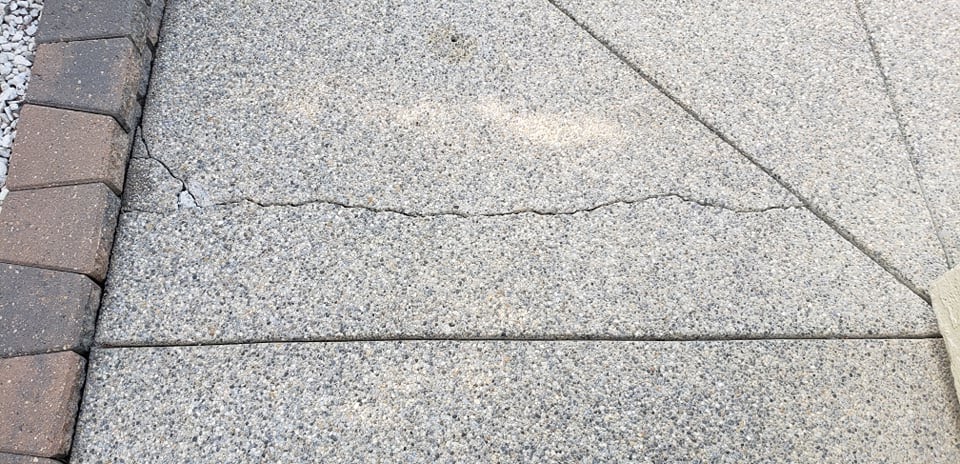
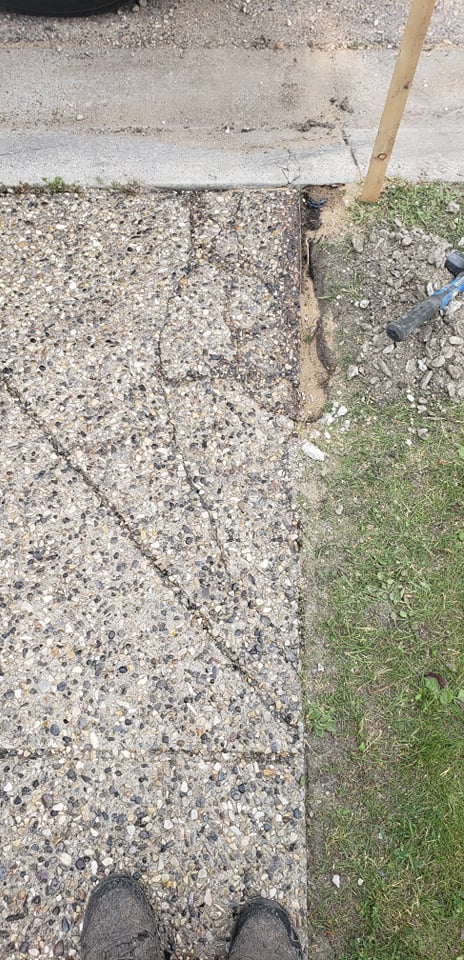
Almost all concrete is guaranteed to crack. This is very normal, and even a planned-for part of installing concrete. This is because concrete is a very brittle material. This means that it is not flexible and instead of bending or flexing it will crack.
How and why this happens? There are many reasons concrete can crack, and different site conditions, material choices, or installation decisions can create vulnerabilities that lead to cracking over time. Depending on the cause and severity of the issue, a variety of methods can be used to help reduce the risk of future cracking. There is a large variety of different reasons for cracking. And depending on the situation there are many methods that can be used to help reduce the chance of cracking. If you are worried about the possibility of cracking in your concrete please ask to talk to an estimator who will help you understand the most likely causes of cracking and the options to reduce cracking.
Our seasoned installers follow industry standard practices, with the expertise to make sure reinforcement is properly installed to help reduce cracking.
Causes of Cracking in Concrete:
- Shrinkage: As concrete cures, it undergoes a drying and shrinking process. This shrinkage can lead to cracks.
- Settlement and Subgrade Issues: Uneven settling of the ground beneath the concrete or inadequate preparation of the subgrade can cause cracks as the concrete adjusts to the movement of the underlying soil.
- Freeze-Thaw Cycles: In cold climates, the expansion of water as it freezes and contracts as it thaws can cause concrete to crack over time.
- Excessive Loading: Heavy or uneven loads can cause stress on the concrete, leading to cracks. This is common in areas subjected to heavy traffic, machinery, or structural loads.
- Inadequate Reinforcement: Insufficient or improperly placed reinforcement, such as rebar or mesh, can lead to structural weakness and cracking. Sometimes if steel reinforcement is used it can rust causing further degradation.
- Poor Concrete Mix: Improper proportions of ingredients, inadequate curing, or the use of substandard materials can result in weak concrete prone to cracking.
- Lack of Joints: Inadequate or improperly spaced joints can result in uncontrolled cracking. Joints are designed to control the location of cracks.
At Concrete Experts, our seasoned installers follow industry standard practices to mitigate the possibility of excessive cracking in each of these areas. It is not usually possible to completely control these issues. Because of the large amount of factors involved, some cracking is expected.
Having said that, there are some things that can be done to reduce the risk of cracking. We do not always employ all of these because of cost. Depending on the situation we will recommend some of these. We do our best to fit the specifications of the concrete to the use and budget of our client. If your concrete project requires special considerations it may be a good idea to consult an engineer who can give a professional design for your concrete.
What can be done to reduce cracking?
- Pour a thicker concrete slab
- Add more reinforcement to the slab: steel or fiberglass rebar, mesh, fibres
- Confirm that the concrete mix design is right for the intended use
- Rigid Foam Insulation: installing this under the slab will reduce temperature and subgrade changes
- Install Control Joints
No matter what kind of concrete crack repair you need, Concrete Experts has a solution for you! Concrete Experts is your specialist for concrete crack repair in Calgary and its surrounding areas.
Should I repair concrete cracks?
When you notice a concrete crack, repair should be looked at as soon as possible. Quickly looking after any concrete crack repair helps prevent water infiltration and makes sure that your commercial building, home, or garage doesn’t suffer any further loss of structural integrity.
- Cracks can lead to significant maintenance costs in the future.
- During our fall and spring freeze/thaw cycles, cracks can expand as time goes by, so flexible, waterproof sealants are preferred in Calgary's freezing climate because rigid repairs can fail as cracks move.
- Concrete cracks can allow water to leak beneath the pad, which can cause ground movement!
- Water flowing through or near the concrete should be avoided or controlled, especially near the foundation of your home.
100% Customer Satisfaction
Our reputation ensures confidence as we have successfully repaired countless homes and buildings with services that cover both structural and architectural repairs. We offer complete product details on our estimates and complete explanations about our process from our experienced team to our loyal customers. Many repair jobs can be completed in a single visit. We enable you to make an informed choice when it comes to your projects. If you are concerned about cracking, please ask us about it.
Call us now! Get a free quote!
Do you want more information about our concrete repair services residential, commercial concrete services, and industrial concrete repair work? Do you want to make your life easier, get rid of water damage and water leaks, add waterproofing, apply sealant or epoxy, remove cracks, and prevent moisture near your foundation with concrete restoration services across the greater Calgary area? Call Concrete Experts today to get started.
Frequently Asked Questions
How can you repair cracks in concrete?
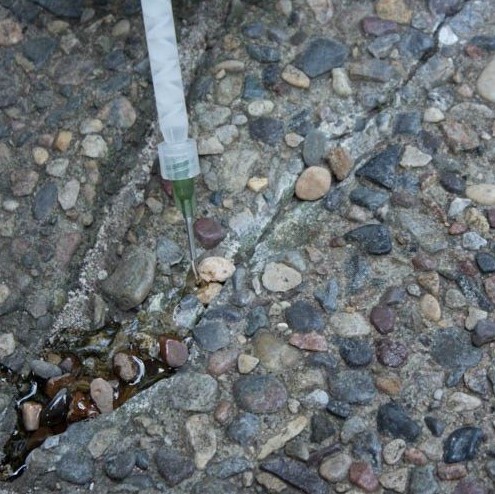
Clean the crack(s) and remove any loose objects, such as dirt, dust, or weeds. If needed, use high pressure water and detergent to assist. Minor surface cracks may be repaired with concrete patching compounds or hydraulic cement. Depending on the product and application, grinding to widen the crack may be necessary for creating a bond with the product. Self-leveling sealants are best for horizontal concrete surfaces. Wider cracks may need a backer rod so the sealant does not sink. Make sure the crack is entirely filled in and that the repair compound’s surface is smooth and level with the surrounding concrete. Allow enough time for curing before foot traffic, vehicle traffic, or other coatings. Do sealing in dry weather to avoid failure in freezing conditions.
Can cracked concrete be repaired?
Yes, concrete that has cracks in it can be repaired. Cracked concrete can be fixed in a number of ways, including by using epoxy, caulking, and cementitious mortar, and polyurethane foam for active water-leaking cracks. The most effective material to fix a fracture in concrete will vary depending on the size and severity of the crack, its location, and its surroundings. Hydraulic cement should be avoided for moving cracks. Although it may occasionally be necessary to remove the damaged concrete, replacement may be needed when the damage is too extensive for repair, but and replace it, the majority of the time, cracks can be fixed using one of the aforementioned techniques. It is important to speak with a qualified contractor who has experience with foundation crack repair, and with expert foundation repair for more serious structural concerns, if you are unsure how to fix a crack in concrete. this kind of work if you are unsure how to fix a crack in concrete.
Who can I contact to repair cracked concrete?
You can get in touch with a qualified contractor that specializes in this kind of work such as Concrete Experts for cracked concrete, foundation walls, and retaining walls. Concrete crack repair is a service that we specialize in, and we can also help restore damaged concrete!
How much is the cost for concrete crack repair?
The size and severity of the fracture, the type of material utilized for the repair, and whether you engage a professional to complete the work can all affect the cost of repairing a concrete crack. Small cracks may be repaired with a DIY concrete repair kit. Depending on the size and intricacy of the task, you may need professional repair, which can range in price from $100 to $1,000 or more. If you aren’t sure, we’d be happy to give you a free estimate and advice for DIY.
Can I repair cracks in the concrete myself?
Using a concrete repair kit, you may fix concrete cracks on your own. These kits normally include a bonding agent, patching material, and instructions along with everything you need to fill and fix cracks in concrete, including small areas around stairs. Concrete cracks must first be completely cleaned before the repair material is applied in accordance with the kit’s instructions. In harsh climates, reseal the area every 1-3 years with a penetrating silane/siloxane concrete sealer to support safety. Avoid using salt for ice control, as salts can cause surface scaling and contribute to cracking over time. Shoveling snow and clearing ice helps limit moisture penetration and extend the life of the repair. It might be advisable to engage a professional to do the repair if you are unsure how to proceed.
Can concrete cracks get worse if left unrepaired?
Yes, concrete cracks can become worse if left unrepaired. Even small cracks can allow water to penetrate the concrete and the soil beneath it. In Calgary's climate, freeze thaw cycles can cause that trapped water to expand and contract, gradually widening the crack over time. Water infiltration can also lead to erosion beneath the slab, resulting in settlement, uneven surfaces, or additional cracking.
The longer a crack is left untreated, the more likely it is to require a more extensive and costly repair. Addressing cracks early can help prevent further deterioration, protect the surrounding concrete, and extend the lifespan of the surface.